|
DIY snow and ice clearing on your premises and public pavements
–
the
facts
It‘s simply not true that it‘s against the law to clear snow from public pavements. You‘re completely entitled to clear your property, and the area in front of it from snow and ice. Those responsible any establishment have a duty of care to ensure that any means of access is safe for both staff and visitors. This includes keeping risks from snow and ice to a minimum, and any company can be held liable for ‘failing to act reasonably’ in ensuring that as much as possible is done to prevent accidents caused by snow and ice is a popular misconception that it is against the law to clear
snow and ice from pavements.
Here‘s a quick checklist to help ensure that you have a safer working winter:
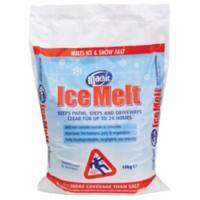
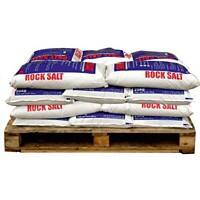
• Make sure snow and ice are cleared from roads and paths on your premises; then apply ice melt or grit to make sure they won‘t refreeze.
• For pathways, clear a route roughly one metre wide, giving everyone plenty of room to walk and pass each other safely.
• Pay extra care to clearing snow and ice from steps and steep paths
– you may need to use extra salt on these areas.
• When temperatures remain below freezing, make regular checks to ensure that roads and paths remain clear and snow or ice hasn‘t started to build up again.
• Bear in mind the needs of all your employees & visitors, including disabled and elderly visitors.
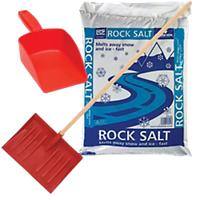
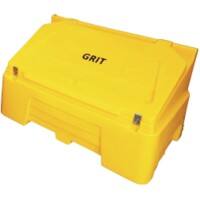
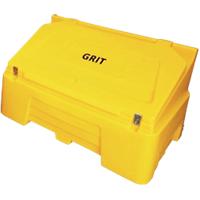
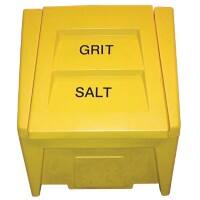
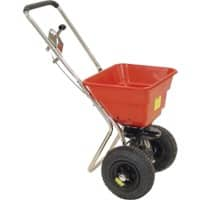
• Ensure that adequate snow and ice–clearing equipment is readily available.
A Safer Winter on the Road
Preparation
is the key to safe driving during the short, cold days and dark winter
evenings ahead, so before you reach for your car keys, we've got some
simple steps to a properly-equipped winter drive.
• Don't rush. It's no fun, but give yourself enough time in the morning
to prepare the car. Even if it means getting up ten minutes earlier.
• Clear the whole windscreen, not just a peephole. Use a scraper and
de-icer liquid on both the front, back. After a snowfall, remember to
clear the roof too, if not, snow can slide down and block your view.
Finally, it's worth remembering remember that it's illegal to drive with
your screen obscured by dirt, snow or condensation, and as well as an
accident, doing so means risking a hefty fine.
• Plan your route to stay on main roads wherever you can – they're more
likely to be gritted and cleared.
• Have your car's cooling system anti–freeze levels checked by your
garage. It's far, far cheaper than the hundreds of pounds a cracked
engine block and radiator will cost to repair.
• Check your wipers – if they look split, are cracked or judder across
the screen, replace them. Also, leave them in the 'parked' position
overnight. Otherwise they might freeze to the screen overnight, and
either rip or damage their drive motor when you switch your ignition on.
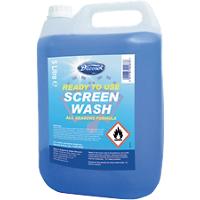
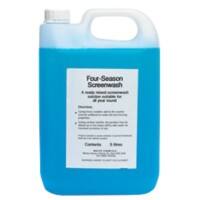
• Top up your washer bottle, and use a suitable additive to stop it
freezing. Don't use engine anti-freeze though, or you'll wreck the car's
paintwork.
• Check your tyres. Treads should be at least 2mm deep – the AA
recommend 3mm. Also, stick to the manufacturer's recommended tyre
pressures. It's a myth that letting a little air out gives you better
grip in the snow. What it actually does is make the car unstable and
more difficult to control!
• When you're about to get underway on snow, especially on a slope or
hill, select second or even third gear rather than first and gently ease
your foot off of the clutch. Putting the power down slowly this way
reduces the car's tendency to wheelspin.
• Finally, having these few essentials on board makes sound sense for
every motorist over the winter months: |